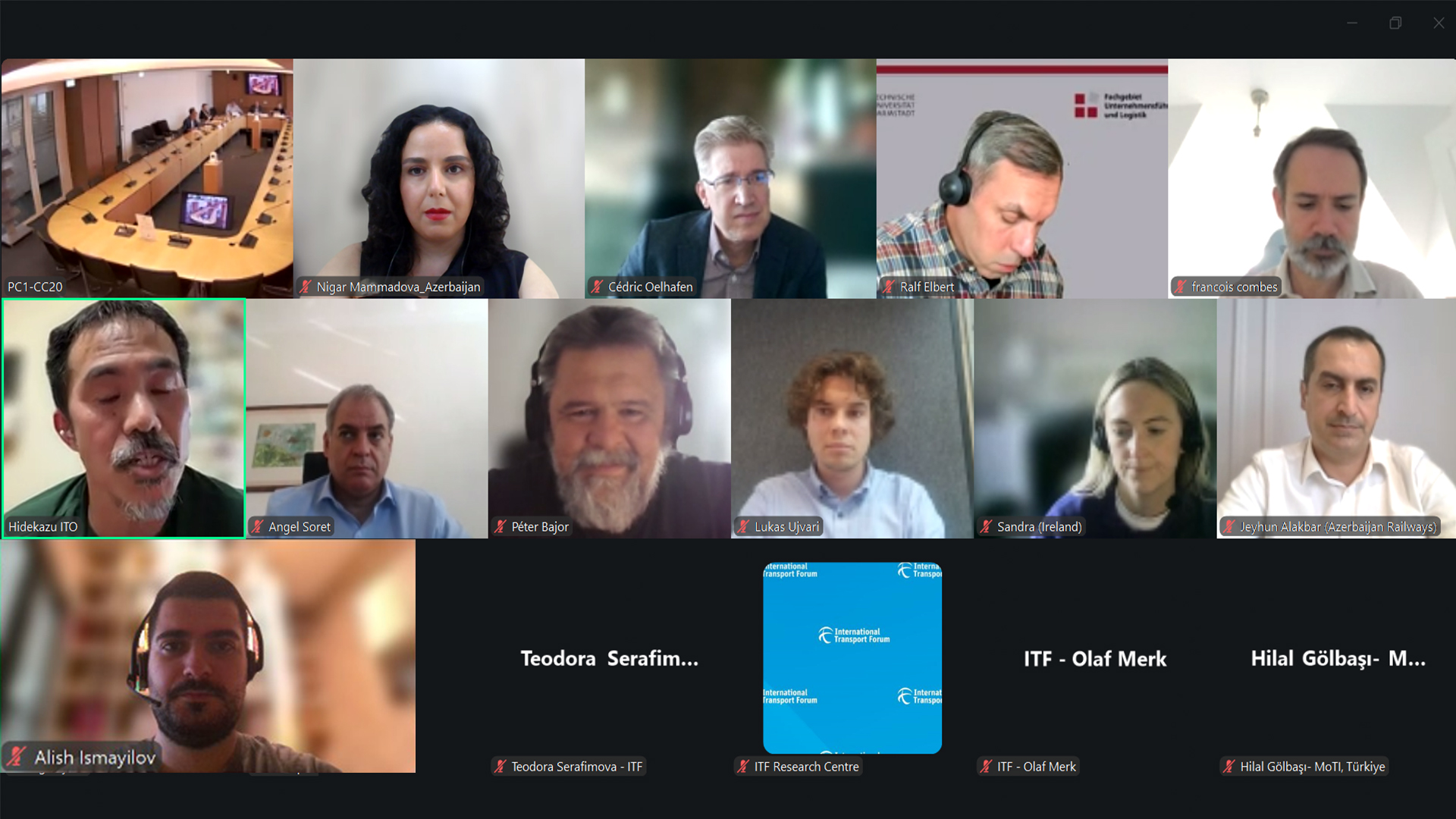


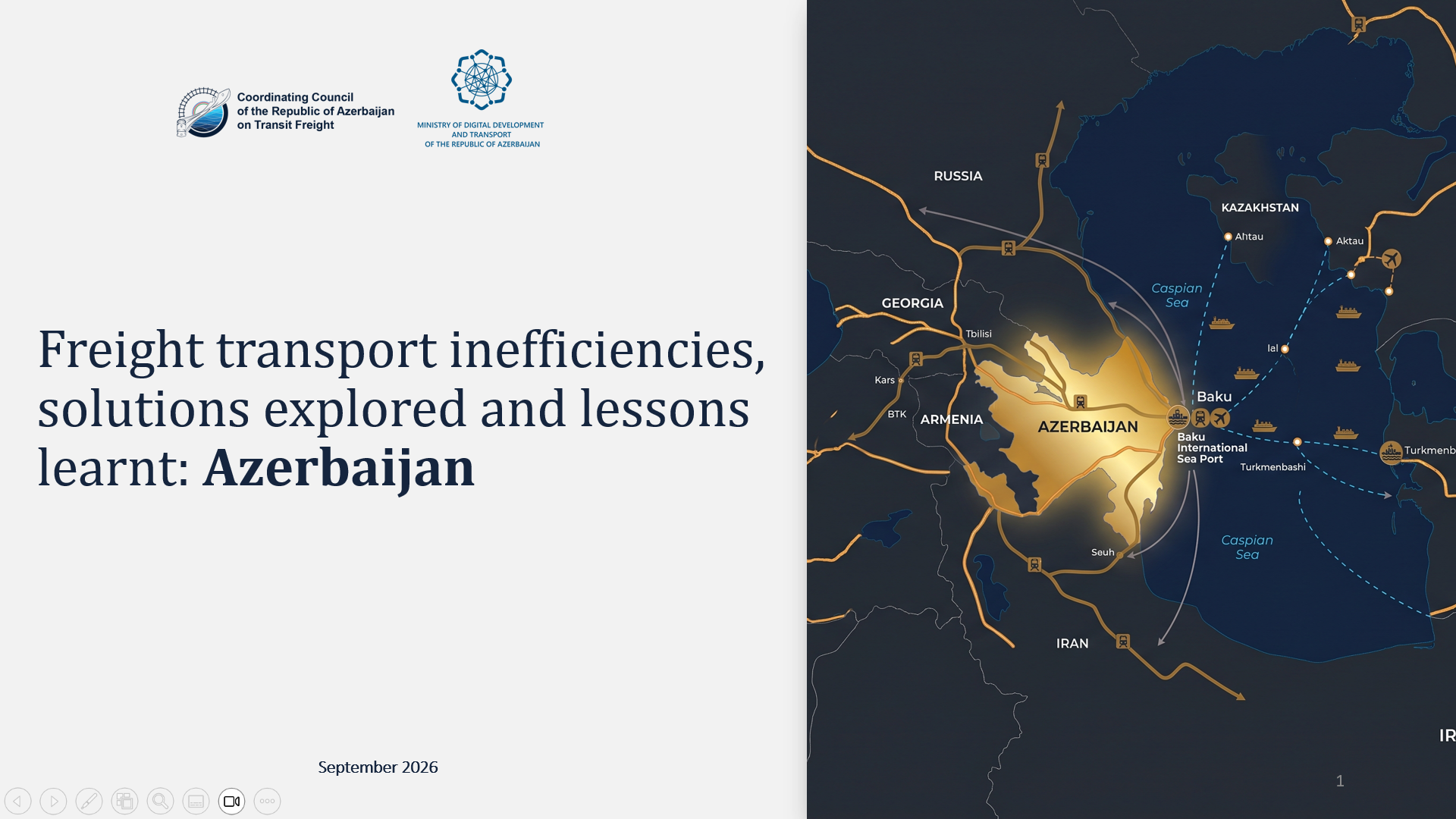

BAKU, Azerbaijan, September 30. The institutional mechanisms aimed at developing Azerbaijan's transit potential were discussed at the inaugural meeting of the International Transport Forum (ITF) Working Group on "Efficiency and digitalization of freight transport".
This was reported by the Ministry of Digital Development and Transport.
According to the report, the meeting held in a hybrid format was attended by representatives from the Ministry of Digital Development and Transport, the Secretariat of the Coordination Council on Transit Freight Transportation, the Azerbaijan Land Transport Agency, Azerbaijan Railways CJSC, and Azerbaijan Airlines CJSC.
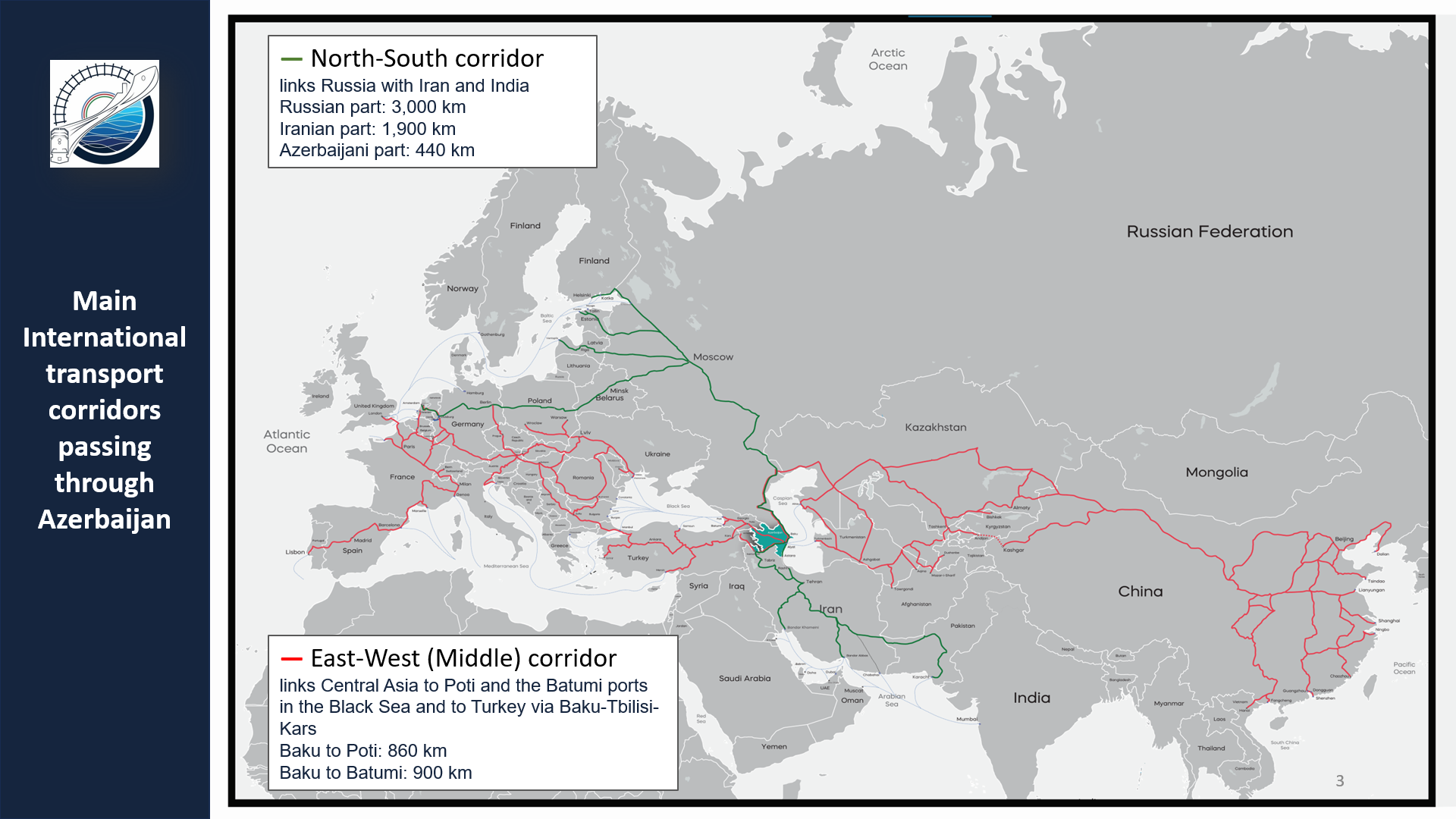
Discussions also covered the country's role in the North–South and East–West (Middle Corridor) international transport corridors passing through Azerbaijan, the sustained growth of transit freight and expansion of container shipping, and development goals for these corridors. Furthermore, existing challenges in transit freight transportation were analyzed, and measures being taken in this area were highlighted.
During the meeting, it was noted that, alongside infrastructure development, institutional coordination, digital interoperability, and regional cooperation must be strengthened in parallel. The ITF Secretariat emphasized that Azerbaijan's experience would make a significant contribution to the ongoing research.
The working group operates within the framework of the 2026–2027 Work Programme approved by the member countries of the ITF. It’s planned to prepare a report covering current international practices, a comparative analysis across member countries, and policy recommendations. The policy recommendation on the "Digitalization of international freight transport" adopted during Azerbaijan's chairmanship of the ITF will serve as one of the working group's key reference documents. Proposals regarding the Middle Corridor, voiced during the summit held in Leipzig, will also be taken into account during the research process.
The ministry noted that Azerbaijan's active participation in this working group, along with the reliance on international documents adopted under its chairmanship, further demonstrates the country's contribution to shaping international transport policy.