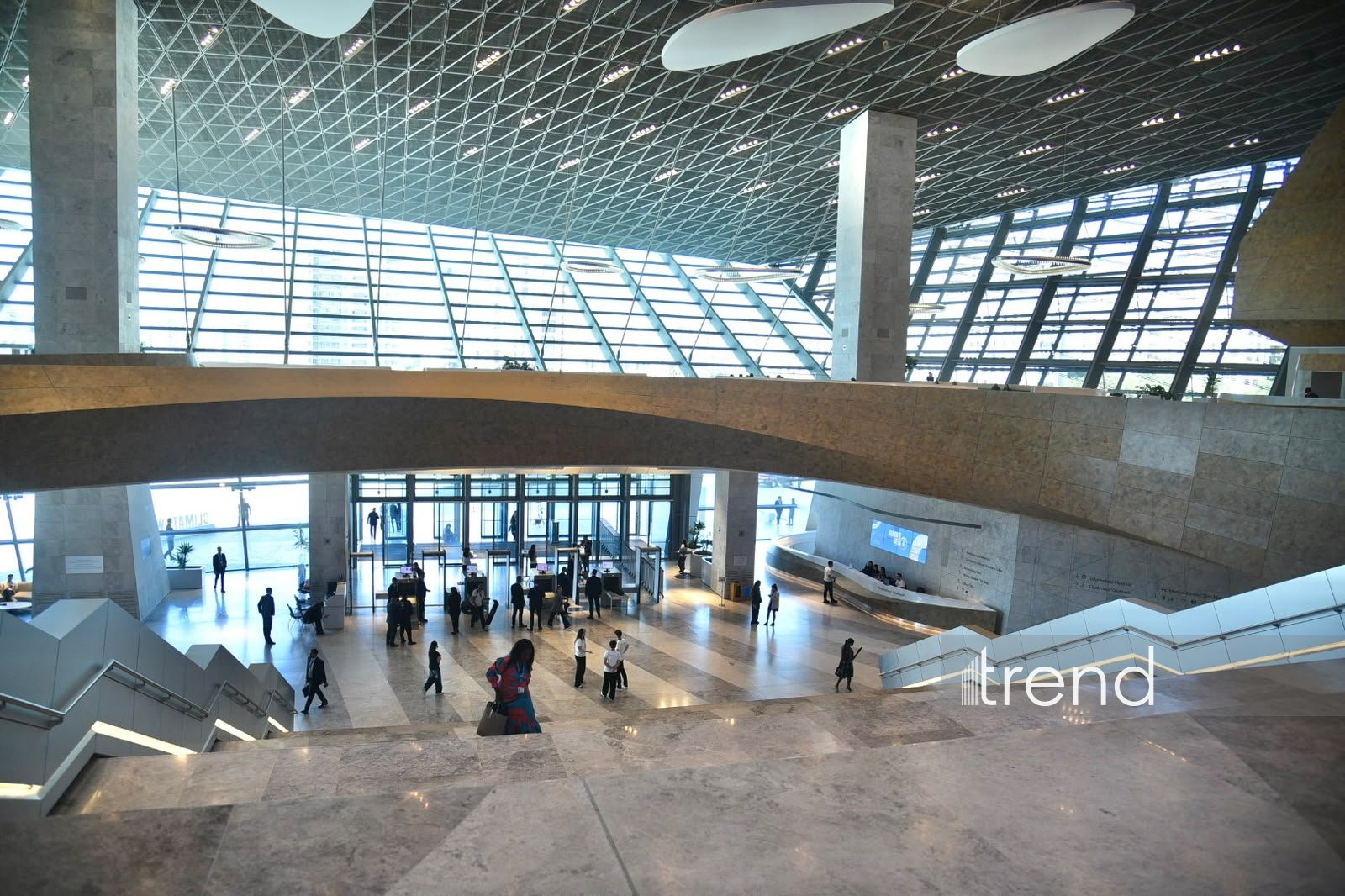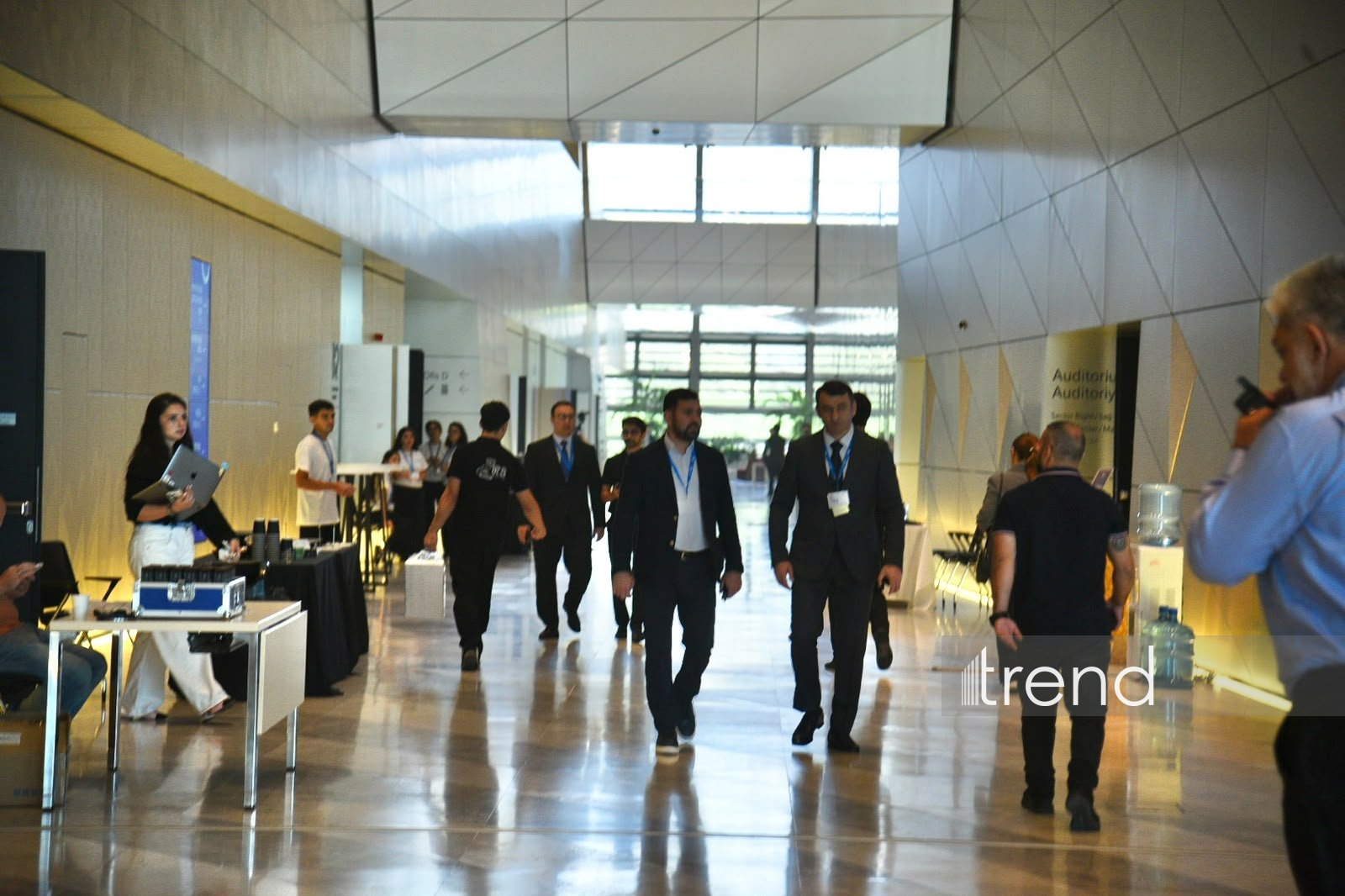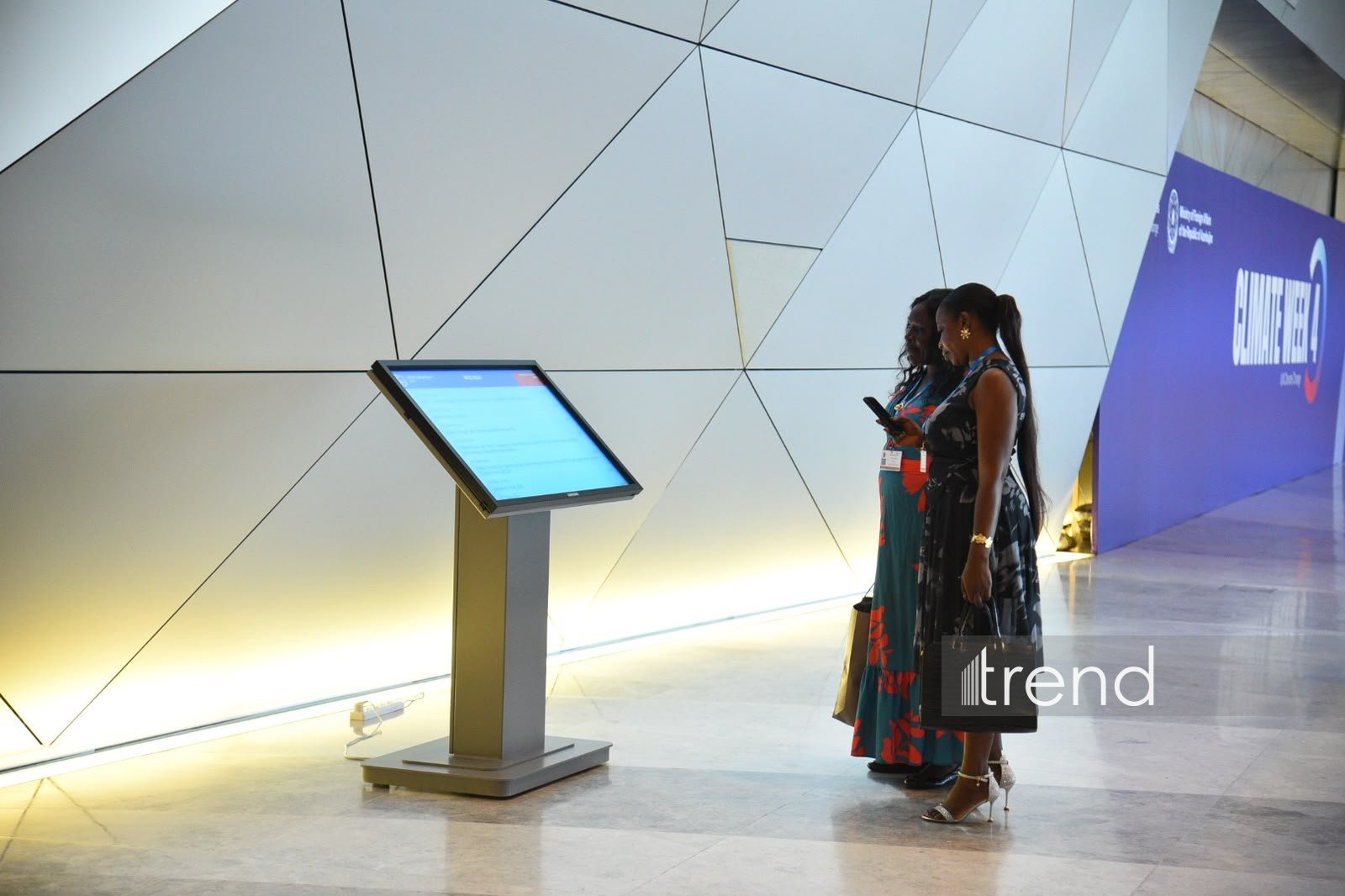


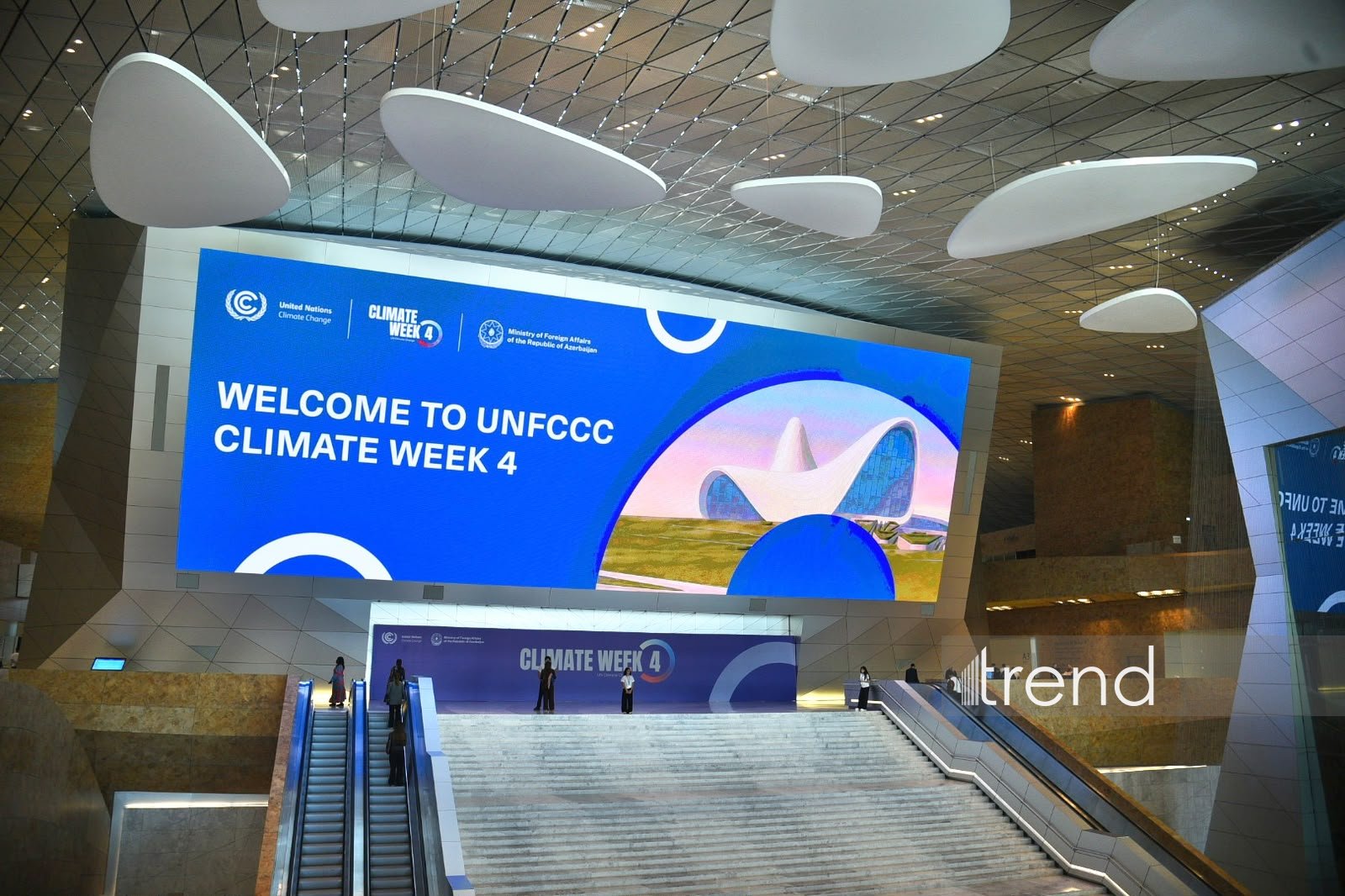
BAKU, Azerbaijan, September 9. The third day of the Baku Climate Action Week 2026 (BCAW 2026) was held, Trend's correspondent reports from the event.
The program for the third day focused on issues such as the transition from climate commitments to concrete actions, climate finance, youth participation in climate processes, artificial intelligence and climate technologies, energy efficiency, methane emission reductions, water resource management, and the protection of cultural heritage.
One of the first sessions of the day was titled “Beyond COP31: Ensuring Commitment Implementation Through Partnerships.” The roundtable discussion focused on transforming the climate commitments to be adopted after COP31 into tangible results and the role of partnerships in this effort.
The program also included a session titled “Impact Dialogue,” focusing on the role of subnational institutions in combating climate change. The session addressed the implementation of climate policy at the local and regional levels and the contribution of these institutions to the fight against climate change.
The third day’s program also included a roundtable titled “Climate Conversations: Engaging Young Journalists,” dedicated to the work of young journalists on climate issues. The session examined the role of young journalists in covering the climate agenda and ways to increase their engagement in this area.
In addition, discussions were held on the topic of energy efficiency certification for buildings and digital building passports. This session focused on improving energy efficiency in the construction sector, implementing digital solutions, and adapting buildings to climate goals.
The day’s program also included discussions as part of the Youth Climate Forum. The session “From Commitments to Implementation: On the Road to COP31” explored ways to translate climate commitments into concrete actions. Another session addressed the question “Climate × Artificial Intelligence: Can Technology Solve the Climate Crisis?”
Another key topic on the third day was the mobilization of public and private climate finance for peace, relief, and recovery. The session examined the targeted use of climate finance to address various needs and the potential for public-private partnerships.
A roundtable discussion was also held on the preservation of cultural heritage and biodiversity in Turkic civilization. The session addressed issues such as the transition from shared traditions to collaborative action, the protection of cultural heritage from the effects of climate change, and the conservation of biodiversity.
The program also addressed accelerating the adoption of climate-resilient technologies and innovations. The focus was on the role of new technologies and innovative solutions in shaping a future that is resilient to the effects of climate change.
A roundtable dedicated to expanding measures to reduce methane emissions in the Caspian region took place in the afternoon. The session addressed issues related to reducing methane emissions, regional cooperation, and expanding concrete actions in this area.
One of the main sessions on the third day was the “Baku Dialogue on Water Resources in the Context of Combating Climate Change – From Commitments to Implementation.” The session focused on developing water-focused climate action measures ahead of COP31, managing water resources in the context of climate change, and translating commitments into practical actions.
Baku Climate Action Week (BCAW 2026) will run until September 11.