


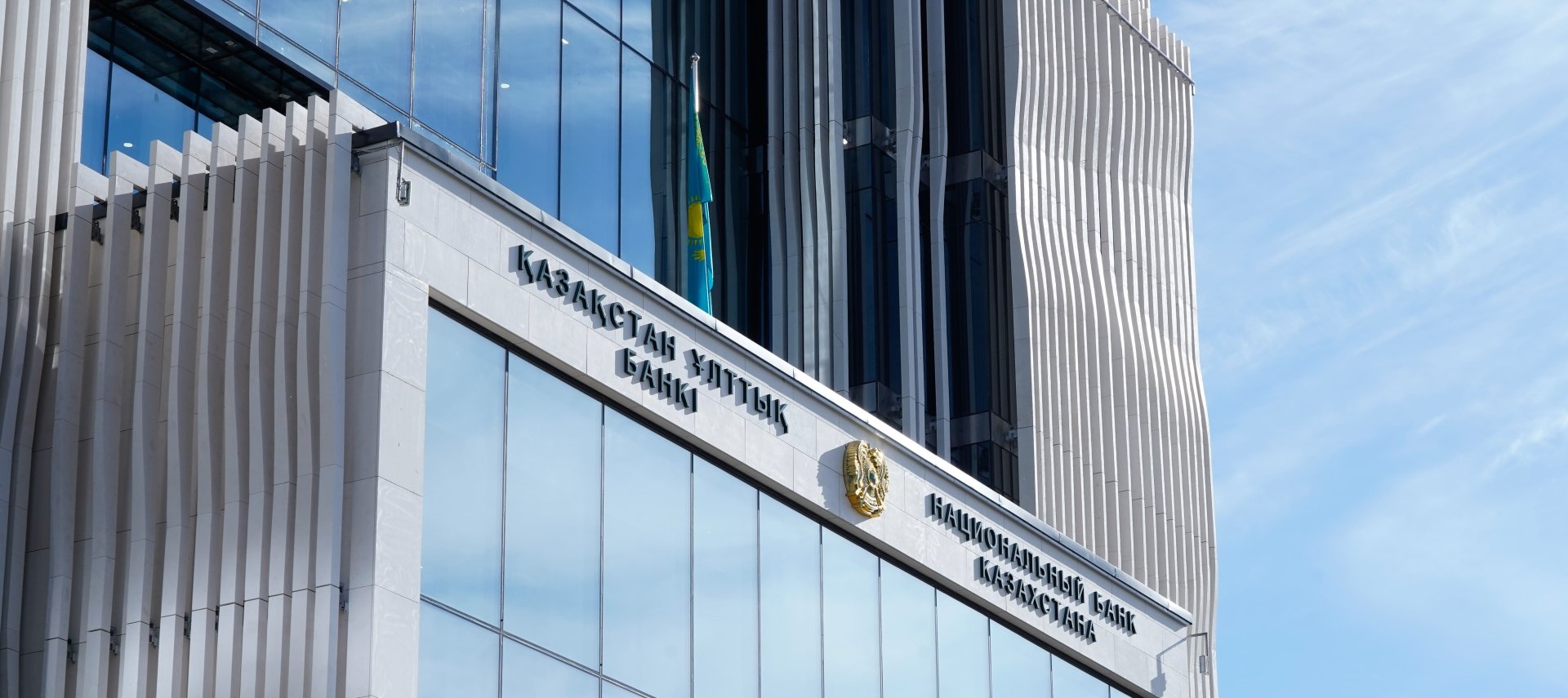

BAKU, Azerbaijan, October 30. Central banks of Kazakhstan, Kyrgyzstan, Tajikistan, Uzbekistan and Azerbaijan are exploring the integration of their national QR payment systems to enable cross-border payments and money transfers, according to the National Bank of Kazakhstan.
The issue was discussed at the fourth regional meeting of representatives of the central (national) banks of the five countries, held in Tajikistan on October 22–23, 2026.
Participants exchanged experience in developing national payment platforms and instant payment systems, implementing QR code standards, expanding financial inclusion and cashless payments, and establishing national remote identification systems.
The National Bank of Kazakhstan presented the progress made in developing the country's National Digital Financial Infrastructure, including the National Payment System, biometric identification platforms, the digital tenge and open banking, as well as the National Anti-Fraud Center.
The Kazakh delegation also shared practical experience in implementing the digital tenge project and launching the Interbank Mobile Payment System, which enables transfers using phone numbers and QR code payments.
Particular attention was paid to prospects for cross-border payments, including approaches to connecting national instant payment systems and digital currencies. Participants supported Kazakhstan's proposals for integrating national QR payment systems and agreed to work out a specific mechanism for their interaction by the end of 2026.
Once implemented, the arrangement would allow citizens of Kazakhstan, Kyrgyzstan, Tajikistan, Uzbekistan and Azerbaijan to pay for goods and services using QR codes through their usual banking apps while traveling in the participating countries. It would also enable them to send and receive money in real time.
The Kazakh side also proposed joint measures for exchanging information and developing approaches to the regulation of digital assets.
The participants discussed ensuring the reliable operation of payment systems and protecting payment infrastructure against cyberattacks, the use of artificial intelligence, SupTech and RegTech in payment system supervision, and current practices for combating fraud.
Following the meeting, the participants reviewed prospects for further regional cooperation in payment systems and digital financial technologies.


